Most everyone has an idea of what's going on their particular housing market. There are national statistics that apply to almost every housing market, but every real estate market is a local phenomenon. For specific data, always rely on your local real estate professional for the best advice. But, are you fully aware of how to sell your home with solar panels in any housing market?
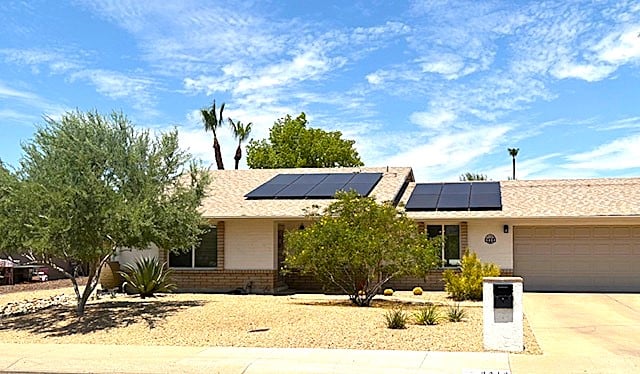
Selling a home with owned solar panels is NOT the same dynamic as selling one without solar panels. Why is this? Because the buying public may or may not want solar panels on their roof, never mind how pretty the home is from the curb.
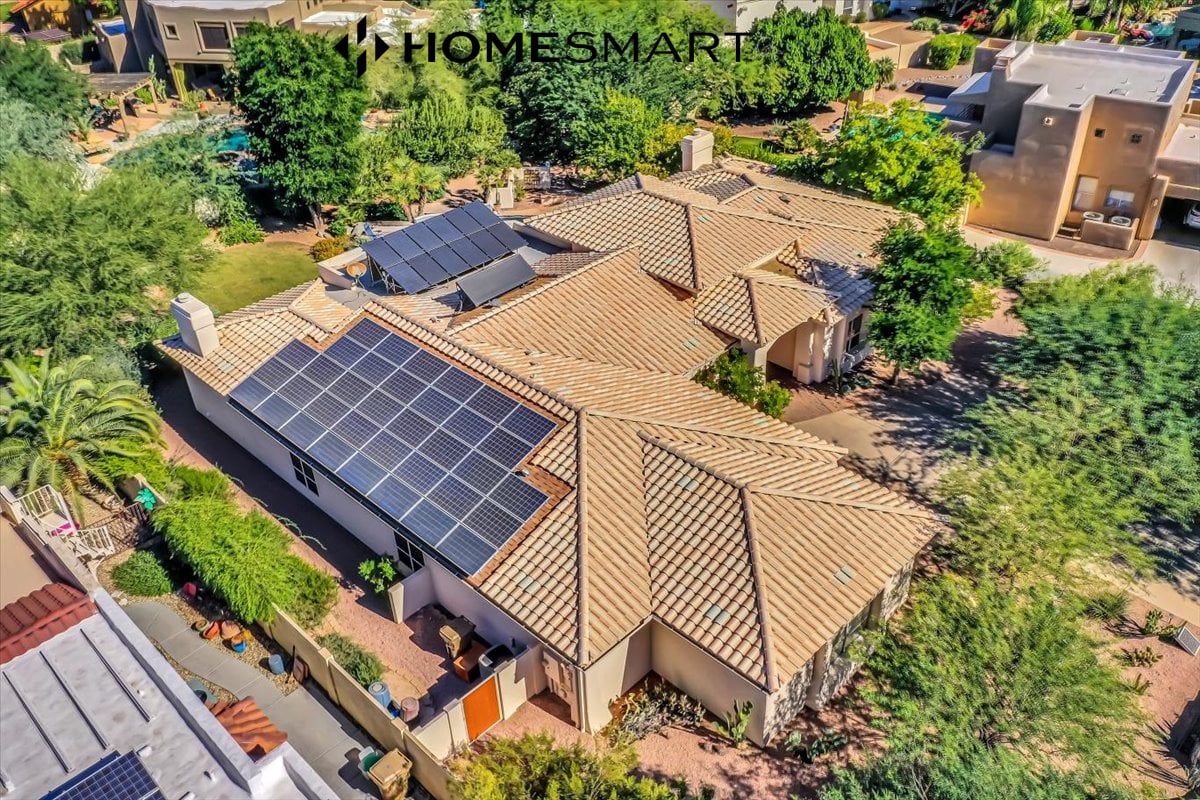
If the solar panels on your roof are owned with no debt, homeowners will be significantly more interested in buying your home. Why is that?
“Owned solar panels” implies that there are no payments due, consequently no debt. And solar panels help reduce or eliminate an electric bill, a huge bonus in today's costly economy.
Given that electricity rates are rising, having solar panels on your roof without making finance payments will be a hedge against inflation. Consider that owned solar panels (not leased) will have a return on investment. When electricity rates rise and you’re using the same kilowatt hour for electricity, your return on investment rises. It’s simple math.
Now consider that your home has financed solar payments. That means you received past incentives and tax credits for installing solar panels on your roof and you’re making monthly payments to a finance company. As everyone knows, paying interest on debt reduces your ROI. Your ROI will take longer. BUT and a BIG BUT, they will pay off eventually. And when solar panels are paid off, they will BECOME OWNED SOLAR PANELS. When financed solar panels are paid off, the UCC filing will be removed, and appraisers are able to add value on an appraisal for these NOW OWNED solar panels. Appraisers can now calculate value for your owned solar panels per Fannie Mae guidelines, but not financed or leased panels. Any existing UCC filing must be removed before a solar array is eligible for value on an appraisal. If you're an appraiser, please visit PVValue.com
The 3rd option for buying a home with solar panels is that they are leased. LEASED SOLAR PANELS are the worst option in terms of ROI and other metrics. Calculate the term of the lease and you will see that paying double for the same solar array is not a good rate of return for the electricity cost reduction. The payments may escalate and the single inverter installed historically does not have the same warranty and won’t last as long as the solar panel warranty. And there is no value for leased solar panels given on an appraisal, again, per Fannie Mae guidelines.
It’s worth noting that newer micro inverters last longer and when one solar panel goes out, the entire string doesn’t stop producing electricity, thanks to micro inverters. These also often have longer warranties than single inverters.
For this reason, homes that have leased solar panels often incur listing and sales price reductions. Price reductions for leased solar systems may be the total cost of the remaining leased system when a home closes.
When listing a home with solar system, a listing agent will need a copy of a signed contract to know the date of purchase, install and connection dates, the remaining payments, which company is servicing the leased/financed system, and finance company contact information. And it's always good to know utilities costs for an entire year pre and post solar installation.
These types of differences between solar systems on a home make a HUGE DIFFERENCE to home buyers. Therefore, it’s critical for an agent to know how to understand these differences and how to process the sale of these unique homes.
If your real estate market is not in a “sellers’ market, this is even more important. A sellers’ market has fewer listings than buyers; this was the 2020-2024 frenzied housing market and the best time to sell a home with leased solar panels. However, we are in general no longer in a frenzied housing market, so consequently a home listed for sale in a buyers’ market is flooded with lots of listings and fewer buyers. Homes with leased solar systems will incur longer days on market and need to be in pristine condition and priced to sell in order to get showings and an offer.
Solar homes have more moving parts in a contract. A buyer needs to be approved by the leasing/financing company to assume a lease or finance payment for a solar home. UNLESS AN EDUCATED UNDERWRITER KNOWS TO EXCLUDE THE LEASE PAYMENT FROM THE DEBT-TO-INCOME RATIO REQURIED FOR A MORTGAGE FOR THAT PARTICULAR BUYER, the payment is automatically added to the buyer's pre-approval for that loan. So a buyer’s agent needs to ask how much the monthly payment is for the buyer, but also for consideration of their mortgage finance company.
Not every agent is familiar with how to sell these homes, much less high-performance homes. Of the more than 1.4 million REALTORS nationwide, less than ½ of 1% have a green designation. The National Association of REALTORS GREEN® designation is the starting point for a broad education on the difference between average homes and high-performance homes, including solar homes. If you're a realtor, visit green.realtor.
So it stands to reason that if there aren’t enough agents to market and sell these homes, there is an information disconnect as well! If you are considering selling your high-performance home, whether it has solar panels or not, start with the best educated realtors in the country!
(Featured on Linkedin profile.)